
Melbourne Property Market Trends 2026: How Suburb Valuation Impacts Investors
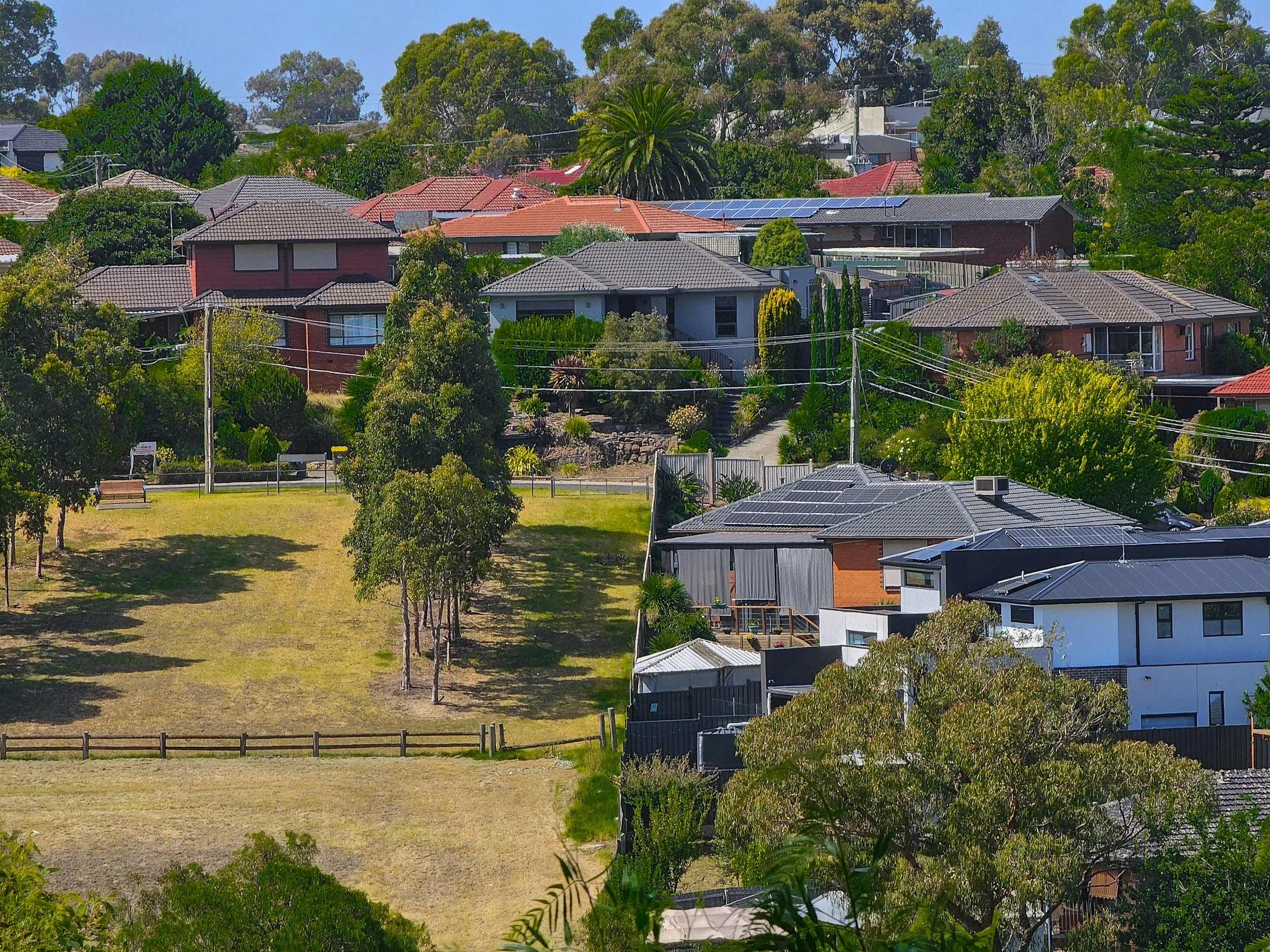
If you invest in Melbourne property, the suburb you choose now matters more than ever. Over 2025–2026 we’re seeing a clear split: some pockets are quietly compounding in value, while others are flat or going backwards, even in the same city. Understanding how valuers look at different suburbs – not just individual properties – is critical if you want your next move to stack up.
This guide walks through the key Melbourne trends for 2025–2026, the suburbs driving valuation growth, the areas to treat with caution, and how those suburb patterns feed directly into what your property is likely to be worth.
Market Overview: Melbourne 2025–2026
Melbourne’s housing market moved back into growth through 2025 and is expected to be one of the better‑performing capitals in 2026, with forecasts of around 6 per cent house price growth and similar or slightly stronger gains for units. Monthly data through late 2025 showed price rises around 0.7–1.0 per cent in some months, with annual gains of roughly 3–4 per cent off a softer base.
Rather than a uniform boom, the middle market made up of established family homes in gentrifying inner and middle‑ring suburbs, is where the strongest, most consistent gains are appearing. Investor appetite is also returning, helped by a series of cautious interest rate cuts through 2025 that have lifted borrowing capacity and confidence without creating the sort of frenzy we saw earlier in the cycle.
The upshot: for investors and owners, suburb selection and asset quality are doing much of the heavy lifting. In some postcodes, modestly renovated homes near transport and good schools are quietly adding 6–10 per cent a year. In others, particularly dense apartment pockets, headline medians hide stagnant or falling values.
Inner‑Ring Gentrification Boom: Where Valuations Are Moving Fastest
Which Inner Suburbs Are Surging?
Several inner and inner‑north suburbs continue to stand out because of lifestyle appeal, walkability, and improving amenity. Research on Melbourne suburb trends consistently highlights areas such as Collingwood, Brunswick, Footscray and Northcote as benefiting from strong demand from young professionals and families.
Collingwood
Once industrial and rough‑around‑the‑edges, Collingwood is now a textbook inner‑city lifestyle suburb. Cafes, bars, creative spaces and high walkability scores make it a magnet for younger buyers and downsizers wanting to stay close to the CBD. Renovated period homes and well‑designed townhouses are attracting very strong results at auction.Brunswick
Brunswick’s combination of tram lines, train access, universities and a strong cafe/music culture keeps it firmly on the radar. Investors and owner‑occupiers are both chasing character homes on good blocks, and even older apartments in the better streets are benefiting from rising land value and demand for well‑located, affordable stock.Footscray
Footscray has moved beyond its “emerging” label into genuine gentrification territory. Upgrades to public transport, new hospitality venues, and ongoing public and private investment have lifted both rents and prices. Analysts point to Footscray as one of the clearest examples of inner‑west renewal, with values supported by proximity to the CBD and the appeal to both students and young families.Northcote
Northcote offers a mix of heritage streetscapes, strong school catchments, parks and quick access to the city. Family buyers in particular are prepared to stretch for renovated period homes and quality townhouses here, which is reflected in higher valuations compared with similar dwellings in less in‑demand pockets.
Why Valuers Price These Suburbs Higher
From a valuation perspective, these suburbs share several features that consistently push assessments upward:
Lifestyle amenities
Cafes, restaurants, retail strips, bike paths, parks and river trails all translate into stronger buyer competition. Valuers see this in the depth of demand at auctions and the premiums paid for well‑located properties.Demographic appeal
A deep pool of young professionals and families supports both owner‑occupier demand and a strong tenant base. This reduces vacancy risk and supports higher rents, which is reflected in both sales evidence and income‑based valuation cross‑checks.Renovation‑ready older stock
Many homes are older weatherboard or brick properties on decent land, which allows buyers to add value through renovation or extension. Buyers will often pay a premium now for that future potential; valuers capture this through comparable sales that show renovated homes selling well above unrenovated stock.Infrastructure proximity
Projects like the Metro Tunnel, level‑crossing removals and arterial upgrades improve connectivity and amenity for whole corridors. As these projects move from announcement to completion, valuer assumptions about long‑term desirability tend to become more positive – especially where there is already evidence of buyer response in comparable sales.
Case Study: Footscray Property
Consider a simple example of how this plays out:
2‑bedroom period home in Footscray
2022 valuation: $520,000
2025 valuation: $580,000 – an increase of around 11.5 per cent over three years
What’s driving this?
Ongoing gentrification and a clear shift in buyer profile
Upgrades to tram and train services and improved connections into the CBD
A new retail and hospitality precinct within walking distance
Solid rental demand from students and young professionals
For an investor who renovated the property smartly in 2023–2024, the uplift can be even more pronounced. They capture:
The general suburb uplift, plus
The value added by renovation, just as buyer demand and interest‑rate‑driven confidence return
The lesson: timing renovations ahead of major infrastructure completions and during improving market sentiment can materially lift valuation outcomes.
Growth Corridors: Where Outer Suburbs Are quietly compounding
While inner‑ring suburbs get the headlines, several outer‑suburban growth corridors around Melbourne are also delivering steady, sometimes above‑average, gains.
High‑Growth Areas to Watch
Analysts and local market reports frequently point to suburbs such as Werribee, Tarneit, Clyde North and Sunbury as key growth pockets.
Werribee (West)
Werribee sits within the Western Growth Corridor and has been flagged repeatedly as a major beneficiary of new jobs, infrastructure and master‑planned development. The East Werribee Employment Precinct, upgrades to road and rail links, and substantial investment in health and education facilities are all driving buyer demand and underpinning valuations.Tarneit
Tarneit has become a magnet for first‑home buyers and investors, thanks to relatively affordable prices, upgraded train stations, new schools and shopping centres, and a growing local population. Valuers see consistent demand for modern family homes on manageable blocks, with land value gradually moving higher as infrastructure is delivered.Clyde North (South‑East)
In the south‑east, areas like Clyde North and Cranbourne are part of a broader “southeast growth belt” benefitting from strong population growth and ongoing infrastructure spend, including new roads, schools and town centres. House‑and‑land packages here typically offer strong relative value compared with inner and middle‑ring suburbs.Sunbury (North‑West)
Sunbury has moved from “outer” to “established outer” in many buyers’ minds, particularly as hybrid working has made the trade‑off between space and commute more attractive. Upgrades to town centre facilities and transport links are supporting both owner‑occupier and investor interest.
Valuation Impact in Growth Corridors
In these areas, valuers are seeing:
Land values rising in the order of 4–8 per cent per year, with some pockets performing even better where infrastructure announcements or completions are concentrated.
Steady demand for 3‑ and 4‑bedroom family homes, especially within walking distance of new schools, parks, and public transport.
Valuation uplift tied directly to infrastructure progress: as new stations, town centres, and employment precincts open or move beyond the planning stage, there is usually a measurable shift in both buyer sentiment and sale prices.
Value Traps: Where to Be Careful
Not every “bargain” suburb is a smart buy. There are clear value traps in and around Melbourne:
Docklands and parts of Southbank
These high‑rise precincts have long struggled with oversupply, high body corporate fees, and patchy owner‑occupier appeal. Vacancy and short‑stay volatility can also undermine rent and resale prospects. Valuers often see flat or minimal growth in nominal terms – and real (inflation‑adjusted) declines over longer periods.Generic high‑rise apartments
Across multiple postcodes, standardised high‑rise apartments without unique features (views, boutique scale, exceptional location) have underperformed detached housing and lower‑density stock. From a valuation perspective, there is plenty of recent sales evidence, and it often points to weak capital growth, even where the broader suburb median is rising.Dormitory suburbs without lifestyle appeal
Some fringe estates have limited transport, employment and amenity. If all they offer is “cheap land further out”, they tend to lag behind better‑connected growth corridors. Valuers may note softer demand, longer days on market, and limited premium being paid for renovations or upgrades.
For investors, the key message is this: outer growth suburbs can work very well if they have genuine infrastructure, employment and lifestyle drivers. Cheap land alone is not enough.
How Suburb Trends Flow Directly Into Valuations
Professional valuers don’t just “pick a number”. They follow a structured process that heavily weights suburb‑level data.
The Suburb‑Informed Valuation Process
Broadly, a valuer looks at four layers:
Macroeconomic data
Population growth, employment, inflation and interest rates
Overall Melbourne and Victorian market direction
Suburb‑specific metrics
Median prices and how they’ve moved in recent years
Auction clearance rates and days on market
Volume of sales (liquidity) and buyer profile (investors vs owner‑occupiers)
Microeconomic factors (street and pocket‑level)
School catchment zones
Public transport access (train, tram, bus)
Proximity to retail, parks, healthcare and employment hubs
Noise, traffic, flooding or other local detractors
Forward‑looking indicators
Council structure plans and rezonings
State infrastructure projects (rail loops, road upgrades, hospitals, universities)
Evidence of early‑stage gentrification: renovated homes, new cafes, demographic shifts
Example: Two Similar Properties, Very Different Valuations
Imagine two near‑identical 4‑bedroom homes:
Property A – Tarneit
Located in a recognised growth corridor with new schools, upgraded train services and a growing population.
Recent suburb data shows prices up 4–6 per cent per year and strong buyer interest.
Property B – Docklands apartment precinct
Similar internal size but in a high‑rise tower among many comparable units.
Suburb data shows modest or negative real growth, high body corporate fees, and higher vacancy risk.
On a like‑for‑like construction cost basis, the dwellings might be similar. But from a valuation standpoint:
The Tarneit home might be assessed 10–15 per cent higher than a superficially similar property in Docklands, driven by underlying land value, family demand, and a stronger growth outlook.
Over time, the compounding effect of 4–6 per cent annual growth in Tarneit vs flat or negative growth in Docklands creates a very wide gap in equity, even if the initial purchase prices were similar.
This is why valuers place so much emphasis on suburb and corridor trends, not just the building itself.
Interest Rates, Market Cycles and What They Mean for Valuations
Current Dynamics (2025–2026)
Through 2025, the Reserve Bank delivered several cautious rate cuts after an earlier tightening cycle, taking the cash rate lower and easing mortgage stress for many households. Commentary from banks and research houses suggests:
Borrowing capacity has improved, allowing buyers to stretch slightly further.
Buyer sentiment has flipped from caution to guarded optimism, with more views per listing, stronger clearance rates and increased competition at auctions.
Investors are returning, as term deposit and cash returns fall, making residential property more attractive by comparison.
In Victoria, first‑home buyer incentives and various state initiatives are also supporting demand at lower and mid price points.
Valuation Implications
For valuations, this environment typically means:
Price growth tends to accelerate 6–12 months after rate cuts, particularly in already‑desirable suburbs and growth corridors.
First‑home buyers feel squeezed in popular bands (for example, $400,000–$800,000 houses in family‑friendly areas), often bidding up prices for liveable homes on decent land.
Investors focus on yield + growth, targeting suburbs where rents have risen and vacancy is low – again, reinforcing value in certain areas over others.
Valuers don’t guess future prices, but they do read the direction of the cycle in the evidence they rely on: rising sales volumes, shorter days on market, higher auction clearance rates, and stronger prices achieved in comparable sales all feed into higher assessments – particularly when the trend holds over several months.
Preparing Your Melbourne Property for Valuation in 2025–2026
Whether you’re refinancing, restructuring or planning a sale, there are practical steps you can take to help ensure your valuation properly reflects your property’s worth.
General Preparation Tips
To put your best foot forward:
Document renovations and upgrades
Keep permits, invoices and before‑and‑after photos for significant works: kitchens, bathrooms, extensions, structural repairs, major landscaping. These demonstrate capital improvements, not just maintenance.Highlight location advantages
Make it easy for the valuer to see proximity to trains, trams, bus routes, parks, schools, shopping centres and employment hubs. A simple one‑pager with a map and key distances can help.Understand your suburb’s trajectory
Know whether you’re in an emerging, gentrifying, growth corridor, prestige or stagnating area. This shapes both your expectations and the conversations you have with valuers and agents.Consider timing
If you’re mid‑renovation or just before a major local infrastructure completion, it can be worth planning the valuation for after substantial works are finished or once a project is operational and reflected in the sales evidence.
Suburb‑Specific Preparation Angles
Gentrifying inner suburbs (e.g. Footscray, Collingwood, Brunswick, Northcote)
Emphasise renovation quality, energy efficiency, natural light, outdoor spaces and walkability. Valuers will be looking closely at comparable sales of renovated vs unrenovated homes.Growth corridors (e.g. Werribee, Tarneit, Clyde North, Sunbury)
Highlight land size, family‑friendly layouts (open living, extra bedroom/study), proximity to new schools, parks and shopping, and any upgrades your home has relative to typical estate stock.Inner prestige suburbs (e.g. Toorak, Hawthorn, parts of Kew, Brighton)
Property condition and presentation matter greatly. Heritage features, architectural quality, privacy and streetscape all command premiums; ensure the property is well‑presented and repairs are addressed before an inspection.Outer suburbs showing signs of decline
Where the broader suburb data is soft, strong individual property features and robust comparable sales evidence become crucial. Work with your valuer to identify the most relevant, positive comparables for your specific pocket, rather than relying on suburb‑wide medians.
Investment Decision Framework: Reading Suburb Signals
To simplify how suburb characteristics translate into valuation outlooks, you can think in terms of a basic matrix:
| Suburb characteristic | Valuation growth outlook | Investor action |
|---|---|---|
| Gentrifying with major infrastructure (inner‑ and middle‑ring) |
Strong (approx. 8–12% p.a., acknowledging cycles)
|
High priority – early entry can lock in compounding gains
|
| Established growth corridor with schools & transport |
Moderate (approx. 4–6% p.a.)
|
Good yield + growth balance for long‑term holds
|
| Population or amenity declining |
Weak (0–2% p.a. or negative)
|
Avoid unless buying very well below intrinsic value |
| Apartment oversupply, little differentiation |
Weak or negative
|
Avoid standard high‑rise unless unique factors exist` |
| Owner‑occupier appeal rising (family buyers upgrading) | Strong (approx. 6–10% p.a.) | Attractive for both capital growth and exit liquidity |
This is not a crystal ball, but it reflects what valuers and analysts are seeing in Melbourne’s current cycle: owner‑occupier‑led suburbs with lifestyle and infrastructure advantages are where valuation growth is most robust and defensible.
What Professional Valuers Look For in Melbourne
Finally, when a valuer walks into a property in Melbourne today, they’re bringing all of the above context with them. In practice, they’ll be paying particular attention to:
Buyer profiles and depth of demand
Is this a suburb dominated by investors, or do owner‑occupiers (families, professionals, downsizers) outnumber them? Owner‑occupier suburbs tend to show more resilient values across cycles.Local government and state planning
Structure plans, activity centre designations, rezoning, and major transport or health projects can all materially influence likely future demand and hence present valuations.Infrastructure timelines
Not just the announcement, but when projects are actually due to open. Evidence of buyer response around imminent completions carries more weight than speculative talk about a distant project.Recent, genuinely comparable sales
Sales within the last 3–6 months of properties similar in type, size, condition and location are critical. Valuers may adjust older sales for market movement, but recent evidence is king.Auction clearance and days on market
Strong clearance rates and short days on market generally point to a tighter market where buyers are willing to compete, supporting higher valuations. Weak results point the other way.
For investors and owners, aligning your expectations with these realities – and understanding where your suburb sits in the 2025–2026 landscape – puts you in a much better position to interpret a valuation, plan your next purchase, or decide whether to hold, renovate or sell.
How ValueMax Can Help
Melbourne is not one market; it’s dozens of micro‑markets moving at different speeds. If you’re making decisions based on state‑level averages or headline medians, you’re flying blind.
At ValueMax, we provide Melbourne property valuations that are suburb‑specific and evidence‑driven. Our valuers work across gentrifying inner suburbs, growth corridors and prestige pockets, and stay close to the planning and infrastructure pipeline that is quietly reshaping values.
Whether you’re:
Assessing an investment opportunity
Preparing for refinancing or restructuring
Navigating CGT, SMSF or family law matters
Or simply wanting a clear, independent view of where your property sits in today’s market
we can help you understand not just the number on the page, but the suburb dynamics sitting behind it.
If you’d like a Melbourne valuation that actually reflects how your suburb is performing in the 2025–2026 cycle, reach out to our team to discuss your property and your plans.
